What Are the Most Important Marketing and Sales KPIs?
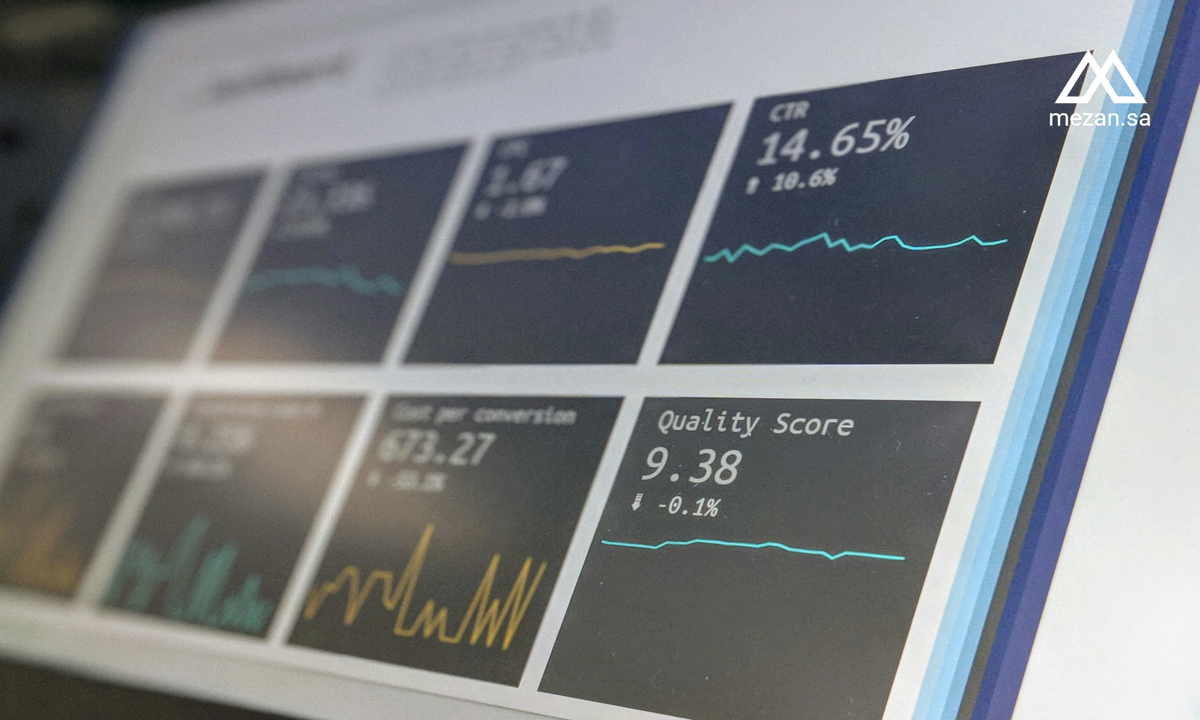
How do you know if your marketing campaigns are achieving real results? And are your sales team's efforts translating into actual profits? The answer lies in performance indicators. In this article, we'll review the most important indicators you need to track to measure marketing and sales success and make better decisions for your business growth.
Last edited: 16 September 2026
- Business Planning
What Are Marketing and Sales KPIs?
Marketing and sales KPIs are measurable metrics that companies use to evaluate how successful their efforts are in attracting potential customers, converting them into actual customers, and increasing revenue. These indicators connect marketing activities with sales performance, and transform raw data into valuable information that helps you understand the complete customer journey from brand awareness to deal completion and beyond.
Why Are Marketing and Sales KPIs Important?
Marketing and sales KPIs aren't just numbers added to reports, but essential tools for the success of any marketing and sales strategy because they help you:
- Measure Return on Investment: Know whether your money spent on marketing and sales is achieving real results and identify channels and campaigns that deliver the best return
- Make Data-Driven Decisions: Rely on real numbers instead of intuition or guesswork to reduce risks and increase chances of success
- Continuously Improve Performance: Discover weaknesses in your strategy and improve them before they turn into big problems
- Clearly Set Priorities: Know where to focus your efforts and time on activities that make the biggest impact
- Prove Marketing and Sales Value to Management: Show marketing and sales contribution to company growth and revenue with clear numbers
Most Important Marketing and Sales KPIs
There are dozens of marketing and sales KPIs, but focusing on the indicators that have the most impact on your goals is key. Here are the most important indicators that cover the complete customer journey from brand awareness to purchase and retention:
1. Customer Acquisition Cost (CAC)
The total amount you spend to acquire one new customer, including all marketing and sales costs. It's calculated by dividing total marketing and sales costs by the number of new customers acquired during the same period.
Why it's important: Helps you know whether you're spending reasonably on attracting customers or not. If customer acquisition cost is higher than the profit they generate, you're losing money.
2. Return on Marketing Investment (ROMI)
Measures how much revenue you generate for every riyal spent on marketing. It's calculated by subtracting marketing cost from marketing-generated revenue, then dividing the result by marketing cost.
Why it's important: Shows you whether your marketing campaigns are actually profitable, and helps you determine which channels deserve more investment.
3. Conversion Rate
The percentage of visitors or potential customers who take the desired action (purchase, registration, download, etc.). It's calculated by dividing the number of conversions by total number of visitors and multiplying by 100.
Why it's important: A high conversion rate means your marketing message is effective and your website or product meets customer needs. Improving conversion rate increases your revenue without needing to bring more visitors.
4. Customer Lifetime Value (CLV)
Total expected revenue from one customer throughout their relationship with your company. It's calculated by multiplying average purchase value by number of purchases per year, then by average customer lifespan in years.
Why it's important: Helps you determine how much you can spend on acquiring a new customer. If CLV is much higher than CAC, you're in a healthy position.
5. Customer Retention Rate
The percentage of customers who continue purchasing from you during a specific time period. It's calculated by subtracting new customers from customers at period end, then dividing the result by customers at period start and multiplying by 100.
Why it's important: Retaining existing customers is much cheaper than attracting new ones. A high retention rate means satisfied, continuing customers, which increases profitability.
6. Website Traffic
The number of visitors who visit your website during a specific period. Can be divided by source (organic search, paid ads, social media, etc.).
Why it's important: Traffic is the first indicator of your brand's reach. The more qualified visitors, the more opportunities for conversion and sales.
7. Click-Through Rate (CTR)
The percentage of people who click on your ad or link out of the total who viewed it. It's calculated by dividing number of clicks by number of impressions and multiplying by 100.
Why it's important: Measures how attractive your ads and marketing messages are. A low click rate means your ad isn't grabbing attention and needs improvement.
8. Engagement Rate
Measures the level of audience interaction with your content on social media (likes, comments, shares). It's calculated by dividing total interactions by number of followers or reach and multiplying by 100.
Why it's important: High engagement means your content resonates with your audience and builds a strong relationship with them, which increases brand awareness and loyalty.
9. Lead Growth Rate
The percentage increase in number of potential customers during a specific period. It's calculated by subtracting initial number of leads from final number, then dividing the result by initial number and multiplying by 100.
Why it's important: Lead growth indicates that your marketing efforts are attracting increasing interest, which is a strong indicator of future sales growth.
10. Bounce Rate
The percentage of visitors who leave your site after viewing only one page without interacting. It's calculated by dividing single-page sessions by total sessions and multiplying by 100.
Why it's important: A high bounce rate may mean your page content doesn't meet visitor expectations, or the user experience is poor, requiring immediate improvement.
Frequently Asked Questions
1. How many KPIs should I track?
There's no ideal number, but it's recommended to focus on 5-7 main indicators that align with your current goals. Tracking too many KPIs can distract you, while tracking too few may not give you the complete picture.
2. How often should I review these KPIs?
It depends on the type of indicator and how quickly your business changes. Some indicators like traffic and conversions are reviewed daily or weekly, while indicators like CLV and retention rate are reviewed monthly or quarterly.
3. Should my KPIs match other companies?
No, KPIs should align with your goals, industry, and company growth stage. What matters for a startup may differ from what matters for an established company, so choose indicators that serve your specific needs.
4. What do I do if my KPIs are bad?
Bad KPIs aren't failure, but an opportunity for improvement. Analyze the reason behind the numbers, identify the real problem, and create a clear action plan for improvement. What's important is quick action, not ignoring the numbers.
5. How do I set realistic KPI targets?
Start by knowing industry averages as a reference, then review your historical performance, and set gradual achievable goals. Goals should be ambitious but realistic based on your resources and market conditions.
6. Do I need expensive tools to track KPIs?
Not necessarily. You can start with free tools like Google Analytics and built-in social media tools. As your business grows, you can invest in more sophisticated tools that suit your needs.
Conclusion
Marketing and sales KPIs are your compass for measuring success and making smart decisions. Instead of relying on intuition, use these indicators to understand what works and what doesn't, and focus your efforts on activities that make the biggest impact. Remember that continuous monitoring and continuous improvement are the keys to success in the changing business world.
Track Your Sales and Performance with Mezan
Monitor your performance indicators accurately and make better decisions with Mezan, the cloud accounting software that provides you with detailed reports on sales, revenue, and product performance. With Mezan, you can track customer acquisition cost, conversion rates, and return on investment, all in one place. Start your trial today and turn data into smart decisions with Mezan!
Book a free business consultation
Tell us about your business. We’ll see if Mezan can help you.
Book your consultation