Articles
-

How Much to Open a Grocery Store in Riyadh – 2025
A practical and comprehensive guide that reveals the real costs of opening a grocery store in Riyadh, from 180,000 riyals for small stores to 1.8 million for supermarkets. Includes secrets of credit financing, actual profit margins, and complete legal requirements - based on real experiences from the Saudi market 2025.
-

What is Managerial Accounting
Managerial accounting is a specialized branch of accounting science that focuses on collecting, analyzing, and interpreting financial and operational information with the aim of helping managers and senior management make well-studied and effective administrative decisions. Managerial accounting differs from traditional financial accounting in that it aims to serve the internal needs of the organization rather than preparing reports for external parties, and is characterized by its flexibility in presenting information according to the requirements of internal users.
-

VAT in the UAE: Complete Guide
Are you running a business in the UAE or planning to start a new venture? Understanding Value Added Tax has become essential for any business success. Since its implementation in January 2018, VAT has become a fundamental part of the UAE tax system. This comprehensive guide explains everything you need to know about VAT: from different tax rates, registration requirements, return filing procedures, penalties, to the new e-invoicing system. Whether you're a business owner, accountant, or interested in understanding the tax system, you'll find the information here to help you fully comply with regulations and avoid fines.
-

Reverse Entries in Accounting
Accounting is the language of business and plays a vital role in ensuring the integrity of financial records for organizations. One of the important tools in accounting is what is known as the reverse entry. A reverse entry is a corrective process for accounting entries that have been recorded incorrectly or improperly.
-

How to Calculate the Estimated Zakat Base
The estimated zakat base is an accounting method used in the Kingdom of Saudi Arabia to determine the zakat due on individuals or commercial entities that do not have accurate or complete accounting records, according to the regulations of the Zakat, Tax and Customs Authority (ZATCA). This method is considered an alternative to the standard method that relies on audited financial statements, and is designed to facilitate the zakat calculation process for small companies or individuals who engage in simple commercial activities. In this article, we will review the definition of the estimated zakat base, its components, calculation method, associated conditions, and challenges that taxpayers may face, while providing practical tips to ensure compliance.
-
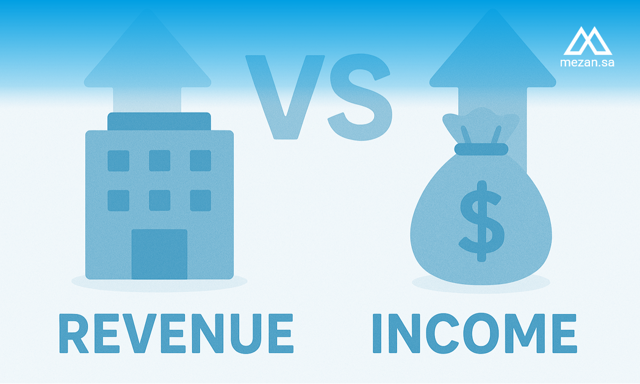
Revenue vs Income: Understanding the Key Differences in Financial Terms
Understanding the difference between revenue and income is fundamental to financial literacy, whether you're a business owner, investor, or simply managing personal finances. While these terms are often used interchangeably, they represent distinct financial concepts that can significantly impact how you interpret financial performance and make strategic decisions.
-

What are Periodic and Perpetual Inventory Systems?
Inventory systems are among the most important fundamental elements in inventory management and accounting, playing a vital role in tracking and monitoring the movement of goods and materials within an organization. The success of any commercial or industrial company largely depends on the efficiency of the applied inventory system, which helps in making informed decisions about purchases, sales, and cost management.
-

Balance Sheet: Complete Guide to Definition and Preparation
The balance sheet represents one of the most important accounting and financial tools in the business world, providing a comprehensive and accurate picture of a company's financial position at a specific point in time. This fundamental financial document reflects the financial strength of the organization and helps all stakeholders understand the company's economic situation and make informed decisions based on reliable and accurate information.
-

What is a Documentary Cycle? A Comprehensive Guide
In the world of accounting and business management, the documentary cycle is a fundamental pillar for organizing financial and administrative operations within organizations. The documentary cycle refers to the series of documents used to record and document business operations, from the beginning of a transaction to its completion and recording in accounting records. This cycle plays a vital role in ensuring transparency, accuracy, and compliance with accounting standards and local laws, such as the Zakat and Tax system in Saudi Arabia. In this comprehensive article, we will review the definition of the documentary cycle, its importance, stages, types of documents used, and illustrative examples. We will use a mix of explanatory paragraphs, numbered points, and tables to ensure clarity and comprehensiveness.
-
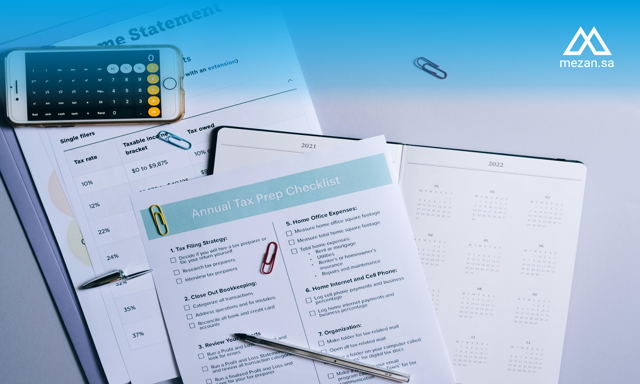
What Are Financial Statements: Definition, Types, and How to Prepare and Analyze Them
Financial statements serve as the compass that guides companies and investors through the complex world of business. This comprehensive guide takes you on an integrated educational journey to understand the fundamentals of financial statements from A to Z, starting with basic concepts and extending to advanced analysis techniques. Whether you're a beginner entrepreneur, ambitious investor, or accountant seeking to develop your skills, you'll find everything you need in this article to master the art of reading and preparing financial statements with confidence and expertise.
-
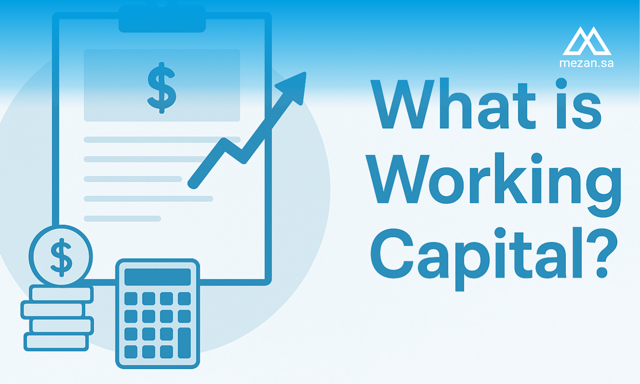
Working Capital: Your Business Success Factor
Did you know that 70% of small businesses in Saudi Arabia fail within the first three years due to poor short-term working capital management.
-

Understanding IFRS 16 Leases
The introduction of IFRS 16: Leases represents one of the most significant changes in financial reporting in recent years. Issued by the International Accounting Standards Board (IASB) in January 2016 and effective from January 1, 2019, this standard has fundamentally transformed how companies account for lease arrangements. Unlike its predecessor IAS 17, IFRS 16 requires lessees to recognize most leases on their balance sheets, providing users of financial statements with a more complete picture of a company's assets and liabilities. This comprehensive guide explores the standard's core principles, implementation challenges, practical examples, and the significant impact it has had on financial reporting across industries.